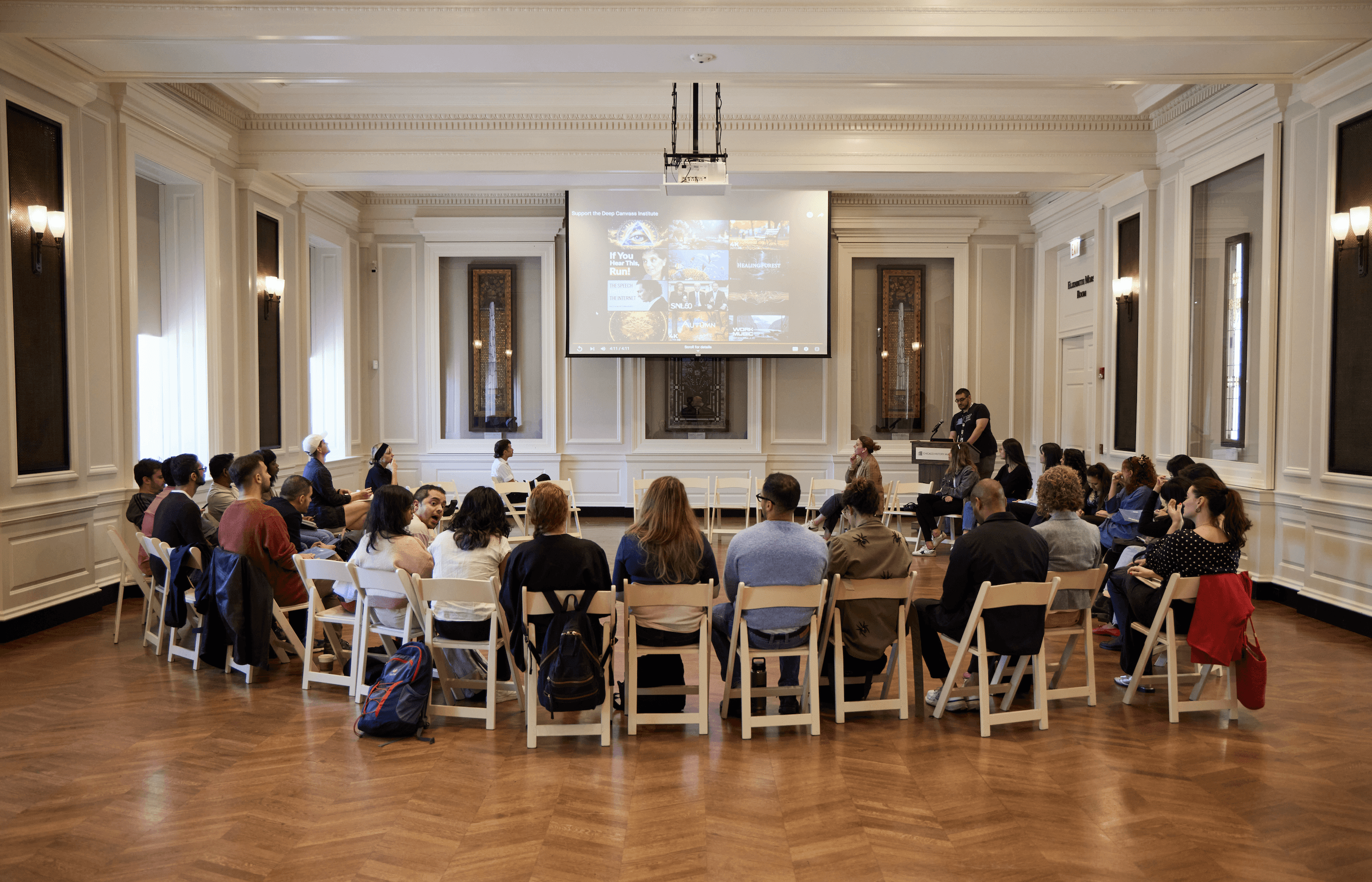
A sign of a truly engaging week is when the questions and ideas from it keep resurfacing in later conversations. That’s what the Chicago Civic Immersion Week was like for me.
I spent six days in Chicago with students from Politecnico di Milano as part of an immersion program at the Institute of Design. It was my first real experience with design leadership at a civic scale, exploring how design manifests when addressing systemic challenges. I thought I understood what that meant, but I soon realized that while I had the vocabulary, I lacked the full picture. So here are some of my reflections from the experience.
We toured Chicago firms to see how civic design manifests across different sectors. In these site visits, each organization showed me a different facet of the same ideology - an ideology that was new to me - that civic design isn’t one thing, and certainly not linear. It shows up in advocacy, in law, in corporate strategy, in community organizing. One day, we saw at the Mayor’s Office of Innovation how policy gets designed at the municipal level, and the other day, Gensler showed us civic design through the built environment. People’s Action demonstrated how design thinking shapes advocacy and grassroots organizing, while Cabrini Green Legal Aid revealed how design appears in legal services and access to justice.
Seeing it across these contexts was like looking at the same object from multiple angles. Suddenly, the whole shape became clearer. I use the term “civic” broadly here to mean many kinds of civic relationships across cities, towns, villages, and communities, in both physical and digital space.
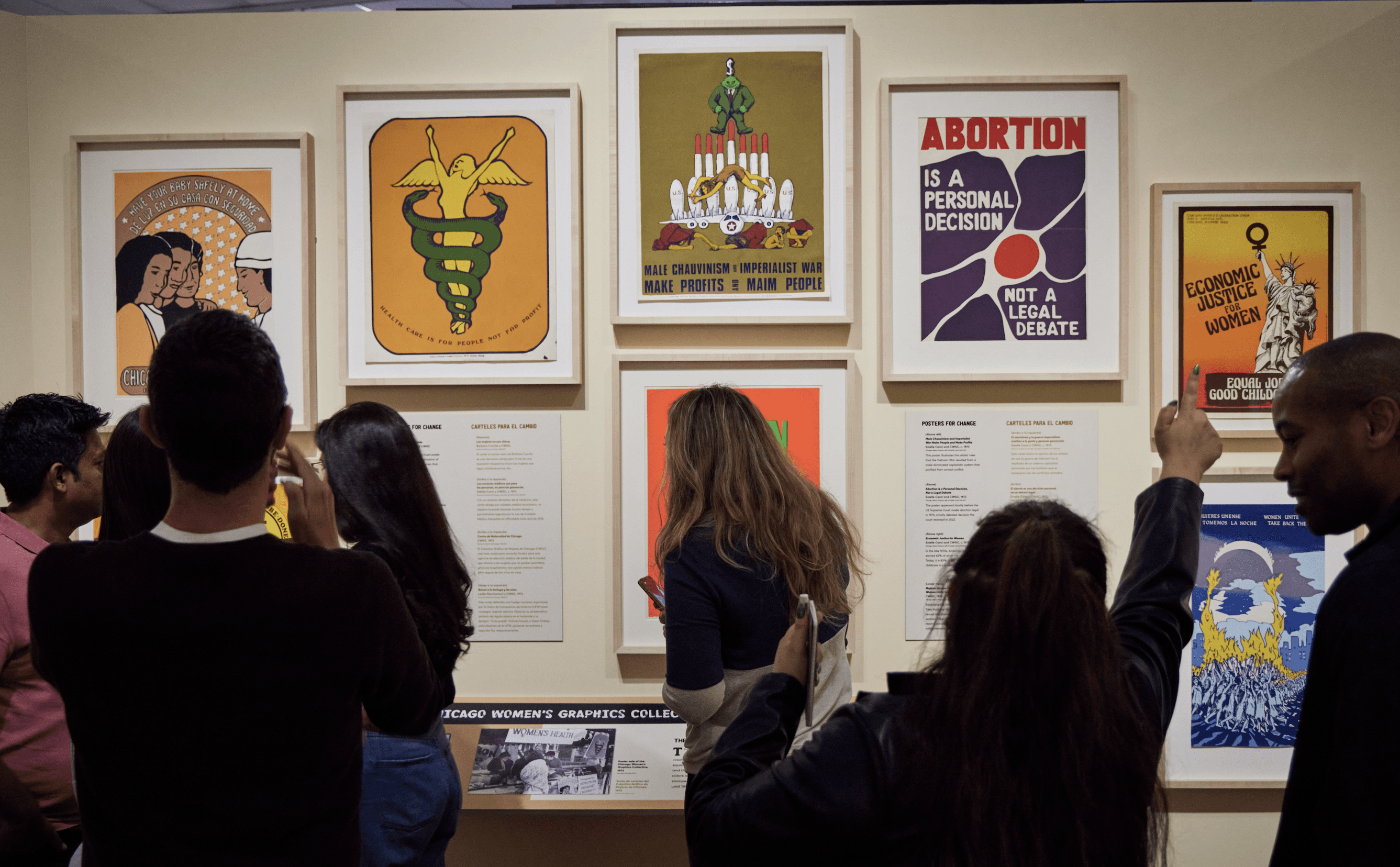
In product design work, we often talk about being user-centered, and once we get it right, it becomes the grounding to make decisions. But in civic systems, there are multiple users, often with conflicting needs, uneven power, and very different levels of visibility. Chicago, till today, is facing the consequences of decades-long systemic redlining, which reinforces racial segregation. And that is something a civic designer in this city can’t simply ignore.
Which means context is not just background information here, it is an active design material. History, policy, geography, and lived experience are what shape the problem itself. And engaging with that context is an ongoing responsibility. What I liked about these visits was that no organization tried to hide that, in fact, they actively tried to make a difference. They were explicit about their stance, and there was a clear acknowledgment that design is a tool that can shift power, not just experience.
Another key learning for me was about how important it is to involve the community in the design process - from research to validation. People most affected by civic systems are also the ones who understand their gaps the best. And yet, they’re often the least represented in how those systems get shaped. A thing to be learned from these organizations is how to create infrastructures for ongoing input, not just one-time research. And that this kind of participation takes time in a way that doesn’t always align with typical project timelines or expectations of efficiency.
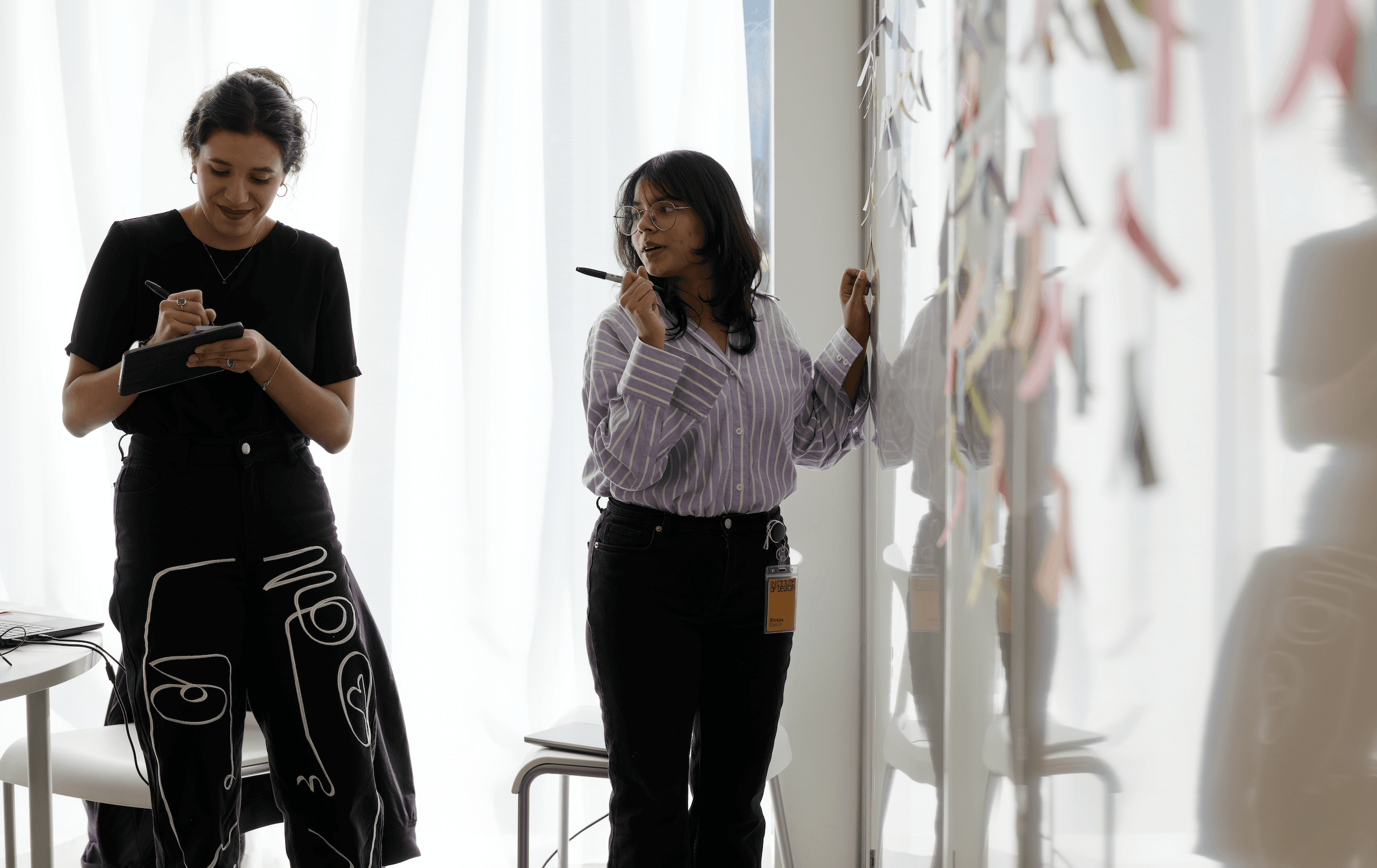
Later half of the week, using design futures methods, we worked in teams to develop civic future strategies across different domains—mobility, education, housing, and more. Using strategic frameworks, I envisioned pathways forward for these systems. Design is fundamentally about futuring - imagining a future which does not exist yet, aka abductive thinking. I looked at the design justice lenses to get an understanding of how, say, education as a space doesn’t serve all citizens equitably. Exploring what a plausible and internally consistent future might look like that represents a “good anthropocene.”
Working in a team opened up new avenues because of the local contexts we brought into the room. My understanding of how systems operate in India sat alongside perspectives from Japan, Italy, Mexico, and the US. It made visible how differently policies are shaped, interpreted, and experienced across places, and how those differences influence what feels possible, or even desirable, in each context.
What I found challenging, though, was holding all of these layers without defaulting to simplification based on assumptions. And also resisting the impulse to force-fit AI and technology in highly speculative ways that make the future feel more make-believe than plausible.
I’m still sitting with a few open questions from the week. How do you measure impact when change is slow, distributed, and often invisible? And what does authorship look like when outcomes are collectively shaped? Where does design begin and end in systems that are already in motion? If you’re always entering mid-stream, is the role to intervene, to support, or to reframe entirely?
And maybe that, in itself, is a different kind of design practice.